- What Makes the Ancient City of Ephesus Important?
The ancient city of Ephesus holds a place of remarkable significance in history, attracting scholars, historians, and travelers from around the globe. Its importance stems from several key factors that make it a must-visit destination for anyone interested in the rich tapestry of human civilization.
Archaeological Significance: Ephesus is an archaeological marvel, offering insights into ancient Roman and Greek life. Its well-preserved ruins allow visitors to step back in time and experience the grandeur of this once-thriving city.
Cultural Heritage: As one of the largest Roman archaeological sites in the eastern Mediterranean, Ephesus reflects the cultural, religious, and social dynamics of its era. It showcases the architectural prowess and urban planning of ancient civilizations.
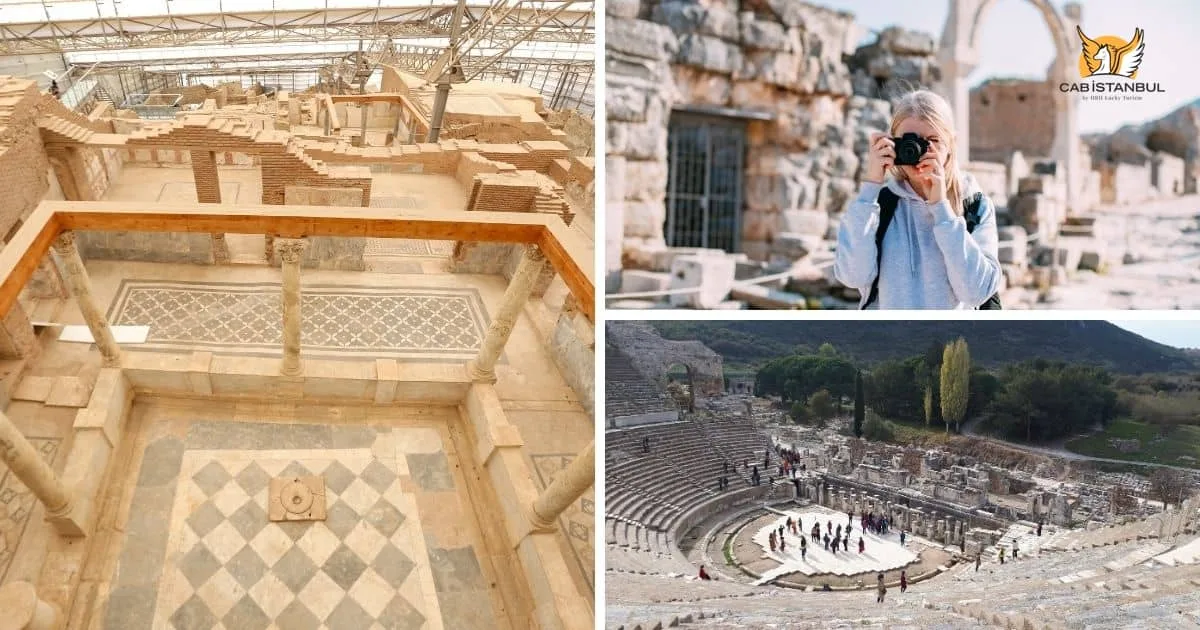
Historical Landmarks: The city is home to several iconic landmarks, including the Library of Celsus, the Temple of Artemis (one of the Seven Wonders of the Ancient World), the Great Theatre, and the Terrace Houses, each telling its own story of the city's glorious past.
Biblical Connections: Ephesus holds a special place in Christian history as the site of the Third Ecumenical Council, the location of one of the seven churches of Asia mentioned in the Book of Revelation, and is traditionally believed to be the final resting place of the Virgin Mary.
Educational Value: Visiting Ephesus offers an unparalleled educational experience, providing deep insights into ancient economics, politics, and religion. It serves as a living classroom for students of history, archaeology, and the classics.
Tourism and Preservation Efforts: Ephesus is a prime example of successful archaeological preservation, attracting tourism and providing a model for historical site management worldwide.
- Where is Ephesus Ancient City?
- Ephesus is located in the Selçuk district of Izmir, Turkey, nestled on the coast of the Aegean Sea.
- How Was the Structure of the Ancient City of Ephesus?
The ancient city of Ephesus stands as a monumental testament to the architectural and urban planning brilliance of the ancient world. Ephesus' structure is a remarkable example of classical Roman city planning, blended with unique local features and monumental constructions that have stood the test of time.
Urban Planning: Ephesus was meticulously planned with a grid layout, characteristic of Roman urban design. The city's streets were aligned from east to west and north to south, facilitating efficient movement and organization. Central streets, such as the Marble Road and Curetes Street, were adorned with marble and lined with columns, indicating their importance.
Public Buildings and Spaces: At the heart of Ephesus were its impressive public buildings and spaces. The Agora served as the commercial hub, while the Grand Theatre, capable of seating 25,000 spectators, was a focal point for entertainment and gatherings. The Odeon, or Bouleuterion, functioned as a council chamber and concert hall.
Religious Structures: Ephesus was a center of religious diversity, home to several significant temples. The Temple of Artemis, one of the Seven Wonders of the Ancient World, was a major pilgrimage site. The city also featured the Temple of Hadrian and the Temple of Domitian, showcasing the integration of imperial cult worship.
Residential Areas: The Terrace Houses, located on the slopes of Bulbul Mountain, provide insight into the domestic architecture and lifestyles of Ephesus' wealthy residents. These multi-story residences were equipped with frescoes, mosaics, and private baths, reflecting sophisticated urban living.
Infrastructure: Ephesus' advanced infrastructure included a complex system of aqueducts and clay pipes for water supply, and a well-engineered sewer system. The Varius Baths and the Scholastika Baths illustrate the city's emphasis on hygiene and public health.
Libraries and Educational Institutions: The Library of Celsus, an iconic structure, symbolizes the city's commitment to knowledge and education. It was both a library and a mausoleum, indicating the cultural and intellectual prestige of Ephesus.
Port and Trade Facilities: Initially a thriving seaport, Ephesus played a crucial role in trade across the Mediterranean. The Harbor Street led from the theatre to the port, facilitating the movement of goods and people.
- How Much Time Should I Allocate for a Visit to Ephesus?
Planning a visit to the ancient city of Ephesus is an exciting journey into the heart of ancient civilization, and allocating the right amount of time is crucial to fully appreciate its historical and cultural significance. For an enriching experience, we recommend dedicating at least half a day to explore Ephesus, which translates to approximately 3 to 5 hours.
- Why Spend 3 to 5 Hours in Ephesus?
Comprehensive Exploration: Ephesus is a vast archaeological site with numerous significant landmarks, such as the Library of Celsus, the Grand Theatre, the Terrace Houses, and the Temple of Artemis. Spending 3 to 5 hours allows for a thorough exploration of these key attractions without feeling rushed.
Guided Tours: Opting for a guided tour can enhance your visit by providing valuable insights into the history, architecture, and cultural context of Ephesus. Tours typically last between 2 to 3 hours, offering a structured and informative way to experience the site.
Photography and Leisure: Allocating extra time gives you the flexibility to enjoy the scenery, take photographs, and absorb the atmosphere at your own pace. Ephesus is not only a historical site but also a photogenic location that invites visitors to capture its beauty.
Rest and Reflection: The ancient city covers a large area with uneven terrain in some sections. Including time for breaks, refreshments, and moments of reflection ensures a comfortable visit, allowing you to appreciate the site's tranquility and significance fully.
- What Was the Purpose of the Love House in Ephesus?
The Love House, often referred to as the Brothel, in the ancient city of Ephesus, served as a significant establishment that played a unique role in the social and economic fabric of the city. This structure, dating back to the 1st century AD, was strategically situated near the Library of Celsus and the Commercial Agora, reflecting its integral position in Ephesian society. The purpose of the Love House extended beyond mere pleasure; it was a complex institution that catered to the social, emotional, and sometimes religious needs of the Ephesians.
Social Gathering Space: The Love House was not only a place for physical encounters but also served as a social venue where people from various walks of life could meet, interact, and conduct informal business discussions. It was a part of the city's social life, facilitating connections and relationships among the city's inhabitants and visitors.
Economic Activity: As a bustling commercial establishment, the Love House contributed to the local economy. It attracted visitors from within the city and beyond, generating revenue through its services. This economic aspect was crucial for the maintenance and prosperity of Ephesus as a major trade and cultural center.
Religious and Cultural Significance: In some ancient cultures, including certain periods and locations within the Roman Empire, establishments like the Love House were thought to have religious connotations, linking physical pleasure with divine worship. However, the evidence for this in Ephesus specifically is more speculative and reflects broader ancient practices rather than direct historical records.
Architectural and Urban Planning Insight: The existence and location of the Love House provide valuable insights into Roman urban planning and social structures. Its proximity to significant public buildings like the Library of Celsus underscores the Roman approach to integrating various aspects of daily life within the city's fabric.
- How Can I Travel to Ephesus and Nearby Ancient Cities from Istanbul?
Traveling from Istanbul to Ephesus and exploring the nearby ancient cities offers a fascinating journey through history and culture. There are several convenient options to consider for this trip, including flights, trains, buses, and private car services. Each mode of transportation provides a unique experience tailored to different preferences and requirements.
By Air with Connecting Ground Transportation: The quickest way to reach Ephesus from Istanbul is by air. Daily flights from Istanbul to Izmir Adnan Menderes Airport, which is the closest airport to Ephesus, take approximately 1 hour. Upon arrival, you can use local bus services, taxis, or car rental services to reach Ephesus, about an hour's drive from the airport.
By Train: For those who enjoy scenic routes, taking a train from Istanbul to Izmir is an option. While this journey is longer, taking about 8-9 hours, it offers the opportunity to see the picturesque Turkish countryside. Once in Izmir, you can continue to Ephesus by bus or taxi.
By Bus: Buses from Istanbul to Izmir run frequently, providing a cost-effective and comfortable way to travel. The bus journey can take approximately 8-10 hours. Upon reaching Izmir, local buses or taxis can take you to Ephesus.
By Private Car Service - Cab Istanbul: For convenience, comfort, and the luxury of exploring at your own pace, consider booking a private car with Cab Istanbul. Our service includes a premium vehicle equipped with modern amenities for a relaxed journey. Notably, we offer an English-speaking driver option, enhancing communication and ensuring a smooth travel experience for international visitors. This service is ideal for direct travel to Ephesus and exploring nearby ancient cities without the hassle of public transportation schedules. The journey by car from Istanbul to Ephesus takes about 7-8 hours, providing flexibility to stop and enjoy other sites along the way.